No UC admissions data on file for Raymond Granite High.
This school doesn't appear in UCOP's source-school records (it may send few or no applicants to UC). Its enrollment trend and similar-school comparison are still below.
Compare with peers
Most similar nearby schools
Cedar Continuation High → Yosemite Park High → Coulterville High → Mountain Oaks High → Sierra Alternative High → Compare all similar →At a glance
- AP rigor: Bottom 6% of US high schools
Composed from federal CRDC offerings, and other public data. Full breakdowns below.
How Raymond Granite High compares for families
What families should know about Raymond Granite High.
- ▸ vs Similar SchoolsThe closest comparables nearby: Cedar Continuation High, Yosemite Park High, Coulterville High and 2 more. See the sidebar to compare side-by-side.
For Parents
Get alerts when Raymond Granite High's numbers change
New admissions results, enrollment shifts, test scores — a few alerts a year, no spam. Your email also saves your list across devices.
Objective, government-grade data — no school pays us for placement.
SAT / ACT participation
CRDC federal data · 2020-21Source: federal Civil Rights Data Collection (CRDC 2020-21). Volume — not score — is what's reported here. A higher count means more students at this school are entering the college admissions pipeline. Note: 2020-21 was COVID-disrupted; some districts (especially those that stayed remote longer) report unusually low or zero takers.
Student composition — 2025-26
HS grades 9–12 racial/ethnic composition and program subgroups, from CDE Census Day Enrollment. Two-year shift shown when ≥1 pt — surfaces how the community served has changed since 2023-24.
Race / ethnicity
Program subgroups
Source: California Department of Education, Census Day Enrollment 2025-26 (HS grades 9–12). Δ shown when shift is ≥1 pt since 2023-24. Categories below 0.5% omitted.
Enrollment trend & projection
How does Raymond Granite High really compare on getting kids to college?
Unlock a head-to-head snapshot of Raymond Granite High against its 10 most similar nearby schools — matched on size, location, type. See exactly where it stands on the college pipeline.
Your similar-school group includes
Cedar Continuation High · Yosemite Park High · Coulterville High · Mountain Oaks High · Sierra Alternative High · Granada High · +4 more
Enrollment stability & demand — 2024-25
Two complementary signals: retention (do students stay once enrolled?) and demand (are families choosing the school?). Read against the Madera County baseline — the demographic tide is moving every CA HS, so a school's gap vs. county is the actionable signal.
Enrollment -50.0% vs. county +7.7% AND stability (12.5%) below the county median. Recruitment and retention both under pressure — likely a foundational rather than tactical problem.
7 of 8 students who enrolled at Raymond Granite High this year didn't maintain continuous enrollment (87.5% non-stability). Mid-year transfers, dropouts, and other exits are all counted.
Nearest peer high schools
Source: California Department of Education, Stability Rate 2024-25. Benchmarks limited to non-virtual public & charter HS with ≥100 cumulative enrollees so by-design-high-churn continuation schools don't dominate the bottom of the distribution. Cumulative enrollment counts every student on the rolls during the year, so it can exceed peak-day enrollment.
District financial profile — Yosemite Unified (FY2020)
From 4 years of NCES F-33 filings (the federally-mandated district finance survey). Public schools don't have their own books — the district does. These figures show the financial scale, revenue dependence, instruction-vs-overhead mix, and long-term debt that shape what a school can sustain.
Local: 42.7%
Federal: 12.4%
Source: NCES F-33 Annual Survey of School System Finances (Urban Institute Education Data API). Latest year currently published: FY2020. F-33 is a district-level federal filing — it reflects the Yosemite Unified as a whole, not this individual school's books. Revenue mix shows where the district's dollars come from (state aid dominates in CA via LCFF). Instruction share is current expenditure on instruction ÷ total current expenditure (national benchmark ~60%). Long-term debt is end-of-year outstanding (mostly facilities bonds).
For School Admins
The full Reach Report for Raymond Granite High
A board- and LCAP-ready intelligence brief: your enrollment retention and college outcomes, benchmarked against your closest competitors, with a 5-year forecast, concrete steps to act on, and the rigor + outcomes story you can share with your families. Built from primary public data — prepared for you, not auto-generated.
- ✓Student-retention benchmarking vs your county median — and the LCAP evidence to back your goals
Related reading
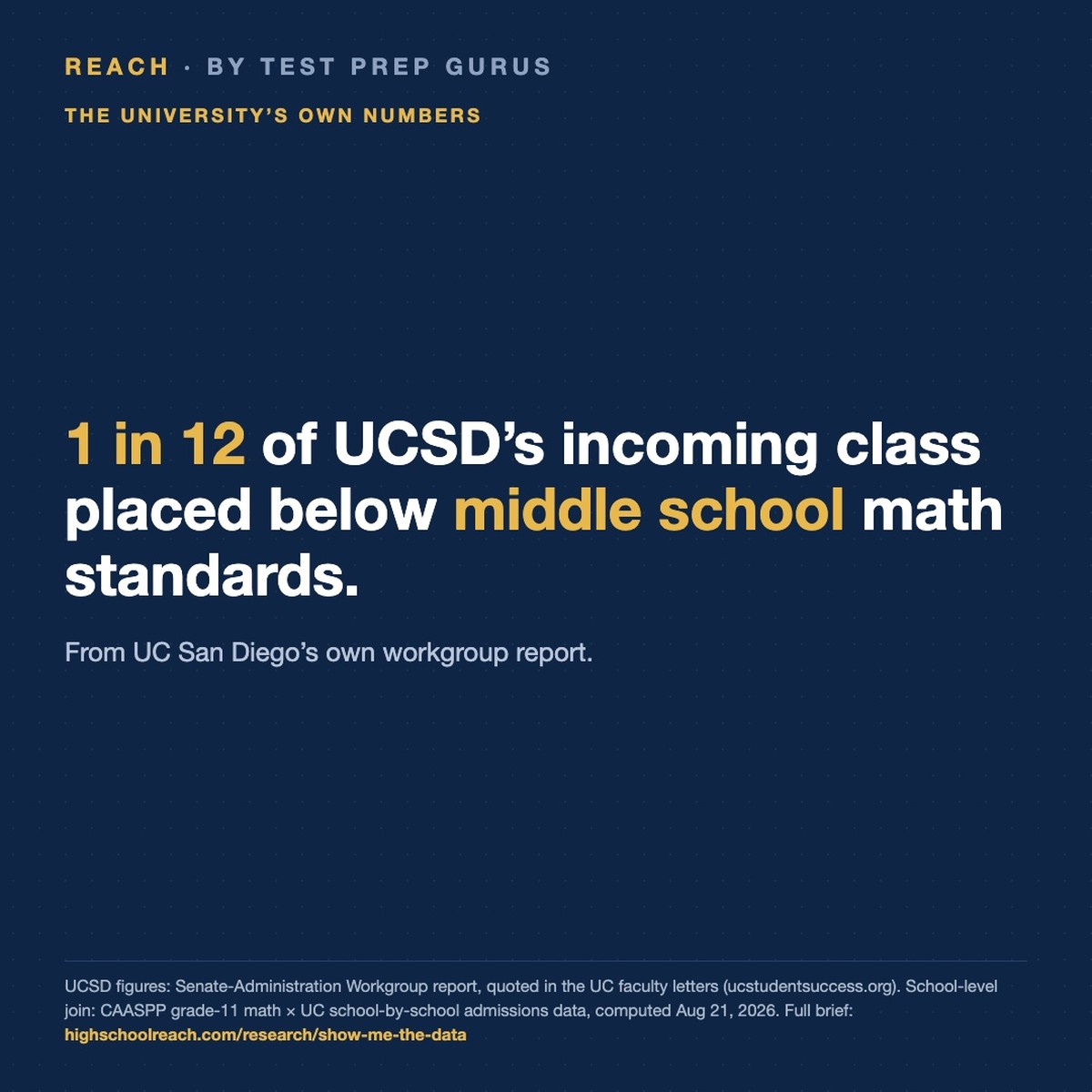
UC testing review · August 25, 2026
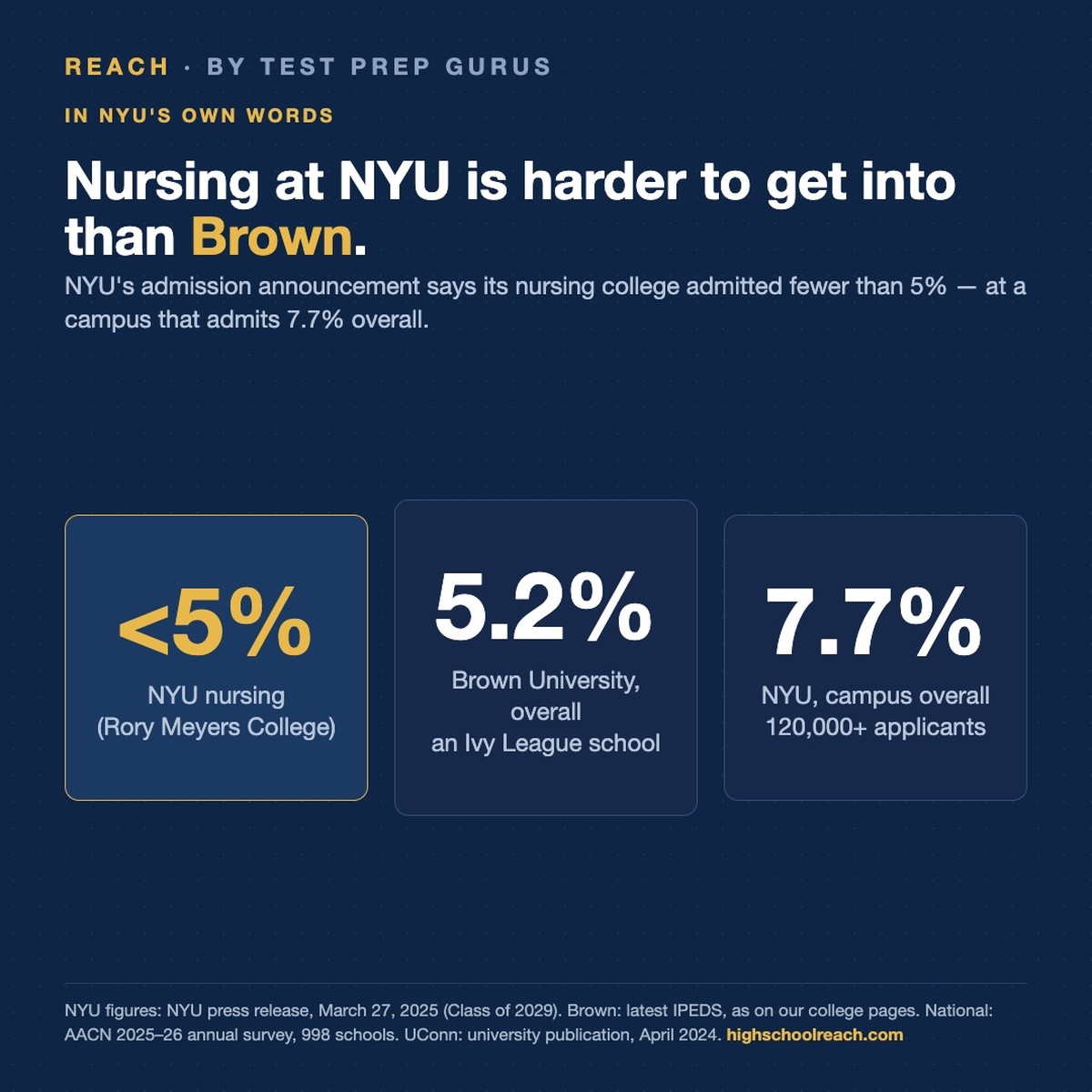
College admissions · August 21, 2026