PVUSD Virtual Academy
Watsonville · CA · Pajaro Valley Unified · Public · K-12 combined
At a glance
- Dual-enrollment program (college credit while in HS)
- Gifted & talented program
- 7 calculus classes · 5 physics · 23 chemistry
- AP rigor: 54th percentile nationally
- SAT/ACT participation: Bottom 1% by test-taker volume
Composed from federal CRDC offerings, and other public data. Full breakdowns below.
How PVUSD Virtual Academy compares for families
Solid mid-tier academic profile.
- ▸ StatewideAP rigor at the 54th percentile nationally.
- ▸ LocallyCA trails the US average on NAEP 8th-grade math (−4 points). Stronger local schools matter even more.
- ▸ vs Similar SchoolsThe closest comparables nearby: New School Community Day, Monterey County Special Education, Central Bay High (Continuation) and 5 more. See the sidebar to compare side-by-side.
For Parents
Get alerts when PVUSD Virtual Academy's numbers change
New admissions results, enrollment shifts, test scores — a few alerts a year, no spam. Your email also saves your list across devices.
Objective, government-grade data — no school pays us for placement.
Academic rigor
AP + advanced-course offerings
Strong — solid AP program + advanced courses
54th percentile nationally
Gifted/talented program
Source: federal Civil Rights Data Collection (CRDC 2020-21). CRDC reports what's offered + enrolled — it doesn't collect AP exam pass rates (College Board owns that data and doesn't release it school-level).
SAT / ACT participation
CRDC federal data · 2020-21Bottom 1% by test-taker volume
Source: federal Civil Rights Data Collection (CRDC 2020-21). Volume — not score — is what's reported here. A higher count means more students at this school are entering the college admissions pipeline. Note: 2020-21 was COVID-disrupted; some districts (especially those that stayed remote longer) report unusually low or zero takers.
Federal Title I context
High-poverty school
Title I Schoolwide eligible
≥75% of students qualify for free/reduced lunch. These schools qualify for the highest tier of federal Title I funding and typically receive extra wraparound services. Academic outcomes vary widely — check the state assessment + grad-rate tiles.
Source: NCES Common Core of Data, free/reduced-price lunch eligibility. The actual Title I designation is a district decision and may differ from eligibility — but the federal eligibility math is what we show here. We don't claim to assert whether the district formally chose to enroll this school in Title I.
Counselor capacity
Source: U.S. Department of Education, Civil Rights Data Collection 2020-2021. Counselor ratio = the school's most recent total enrollment ÷ counselor FTE. The American School Counselor Association (ASCA) recommends a 250:1 maximum; the US national median across schools with on-staff counselors is roughly 430:1.
Enrollment trend & projection
Total enrollment + grade 12, NCES Common Core of Data (2021–2024).
Most similar nearby high schools
The schools most like this one — same type, blended on distance and size — and where their enrollment is heading. These are the schools families here weigh against each other.
| School | Type | Miles | HS enrollment | Trend |
|---|---|---|---|---|
| New School Community Day Watsonville |
Public | 1.4 | 42 | — |
| Monterey County Special Education Salinas |
Public | 19.0 | 37 | — |
| Central Bay High (Continuation) Salinas |
Public | 10.6 | 23 | — |
| Diamond Technology Institute Watsonville |
Public · charter | 1.4 | 87 | +22.5% |
| Pacific Coast Charter Watsonville |
Public · charter | 2.0 | 87 | -17.9% |
| Wellington M. Smith Jr. Salinas |
Public | 16.1 | 50 | — |
| Ark Independent Studies Santa Cruz |
Public | 15.2 | 56 | -28.2% |
| Santa Cruz County Special Education Santa Cruz |
Public | 16.6 | 56 | +1.8% |
Related reading
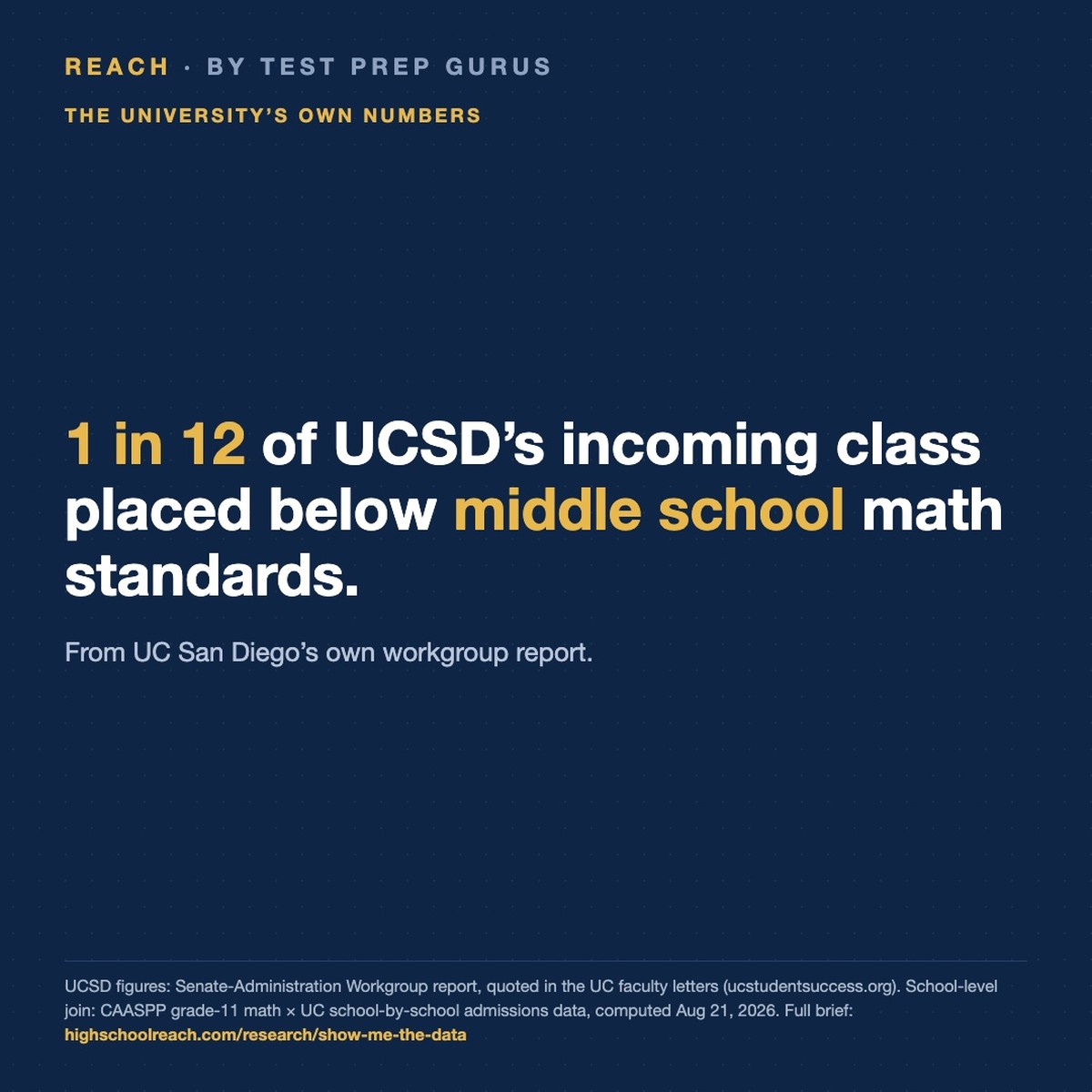
UC testing review · August 25, 2026
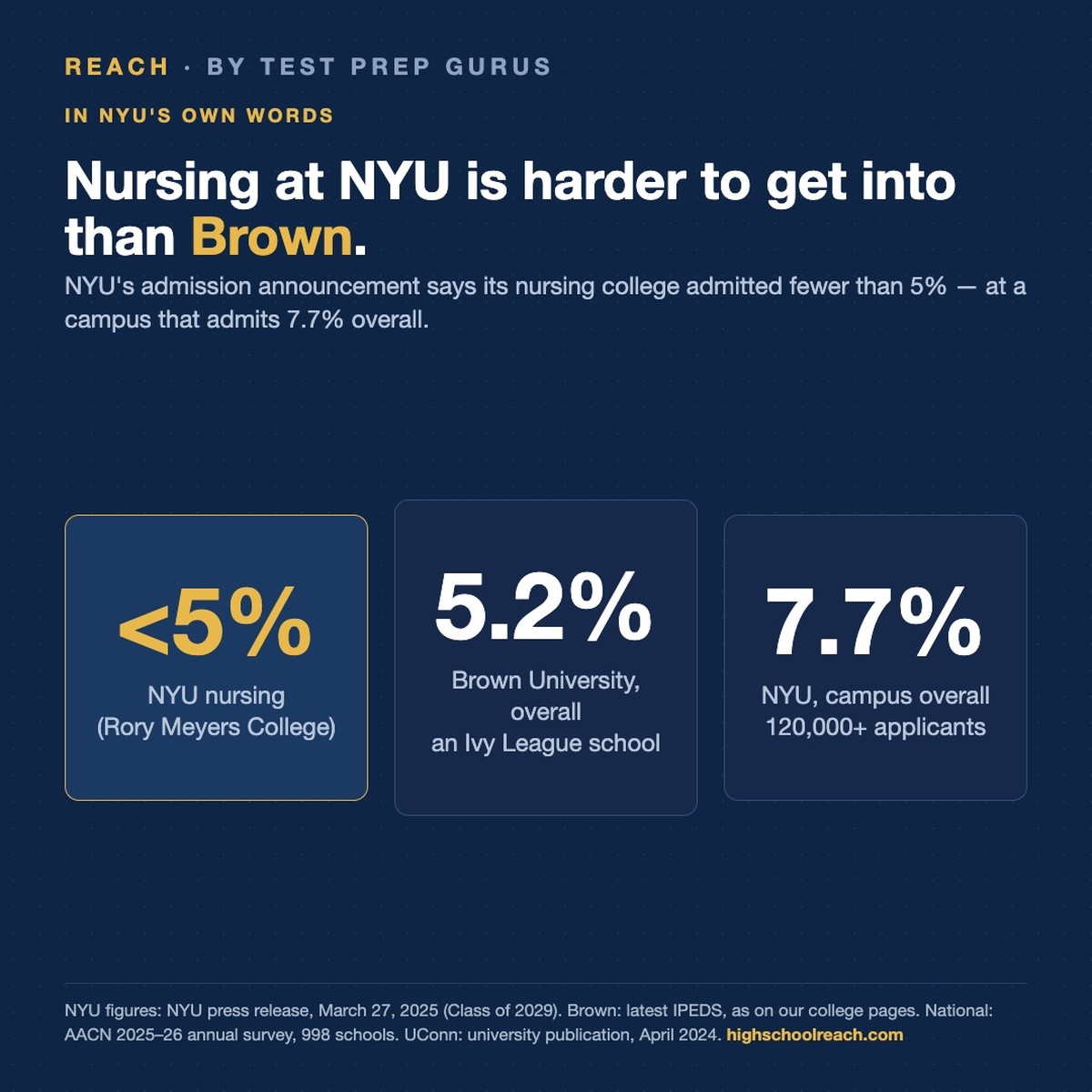
College admissions · August 21, 2026