Thomas E. Mathews Community
Marysville · CA · Yuba County Office of Education · Public · K-12 combined
Similar nearby schools
Most similar nearby schools
Harry P B Carden → Yuba County Special Education → Valley Oak Continuation High → Feather River Academy → Butte View High → Middle College Academy → Tri-County ROP → Esperanza High (Continuation) →At a glance
- AP rigor: Bottom 6% of US high schools
- 4-yr grad rate: 49% in 2019 (Bottom 10% of US high schools by 4-yr grad rate)
Composed from federal CRDC offerings, EDFacts graduation data, and other public data. Full breakdowns below.
How Thomas E. Mathews Community compares for families
What families should know about Thomas E. Mathews Community.
- ▸ LocallyCA trails the US average on NAEP 8th-grade math (−4 points). Stronger local schools matter even more.
- ▸ vs Similar SchoolsThe closest comparables nearby: Harry P B Carden, Yuba County Special Education, Valley Oak Continuation High and 5 more. See the sidebar to compare side-by-side.
For Parents
Get alerts when Thomas E. Mathews Community's numbers change
New admissions results, enrollment shifts, test scores — a few alerts a year, no spam. Your email also saves your list across devices.
Objective, government-grade data — no school pays us for placement.
SAT / ACT participation
CRDC federal data · 2020-21Source: federal Civil Rights Data Collection (CRDC 2020-21). Volume — not score — is what's reported here. A higher count means more students at this school are entering the college admissions pipeline. Note: 2020-21 was COVID-disrupted; some districts (especially those that stayed remote longer) report unusually low or zero takers.
4-year graduation rate · federal EDFacts
What % of students graduate on time?
Bottom 10% of US high schools by 4-yr grad rate
Source: federal EDFacts ACGR (Adjusted Cohort Graduation Rate), 2019 vintage via Urban Institute. EDFacts publishes a range (low-high) to preserve privacy on small cohorts; we display the midpoint.
Teacher workforce · federal CRDC
Teacher experience & reliability
Source: federal Civil Rights Data Collection (CRDC 2017-18 — the most recent vintage that publishes per-school teacher quality fields; the 2020-21 sweep had them suppressed). "Inexperienced" = teachers in their first or second year. "Chronic absence" = teachers absent 10+ days/year.
Federal Title I context
High-poverty school
Title I Schoolwide eligible
≥75% of students qualify for free/reduced lunch. These schools qualify for the highest tier of federal Title I funding and typically receive extra wraparound services. Academic outcomes vary widely — check the state assessment + grad-rate tiles.
Source: NCES Common Core of Data, free/reduced-price lunch eligibility. The actual Title I designation is a district decision and may differ from eligibility — but the federal eligibility math is what we show here. We don't claim to assert whether the district formally chose to enroll this school in Title I.
Counselor capacity
Source: U.S. Department of Education, Civil Rights Data Collection 2020-2021. Counselor ratio = the school's most recent total enrollment ÷ counselor FTE. The American School Counselor Association (ASCA) recommends a 250:1 maximum; the US national median across schools with on-staff counselors is roughly 430:1.
Enrollment trend & projection
Total enrollment + grade 12, NCES Common Core of Data (2021–2024).
Most similar nearby high schools
The schools most like this one — same type, blended on distance and size — and where their enrollment is heading. These are the schools families here weigh against each other.
| School | Type | Miles | HS enrollment | Trend |
|---|---|---|---|---|
| Harry P B Carden Marysville |
Public | 0.5 | 22 | — |
| Yuba County Special Education Marysville |
Public | 0.4 | 24 | — |
| Valley Oak Continuation High Live Oak |
Public | 9.5 | 19 | — |
| Feather River Academy Yuba City |
Public | 3.4 | 31 | — |
| Butte View High Sutter |
Public | 8.9 | 26 | — |
| Middle College Academy Marysville |
Public | 3.3 | 34 | — |
| Tri-County ROP Yuba City |
Public | 3.3 | — | — |
| Esperanza High (Continuation) Gridley |
Public | 16.0 | 23 | — |
Related reading
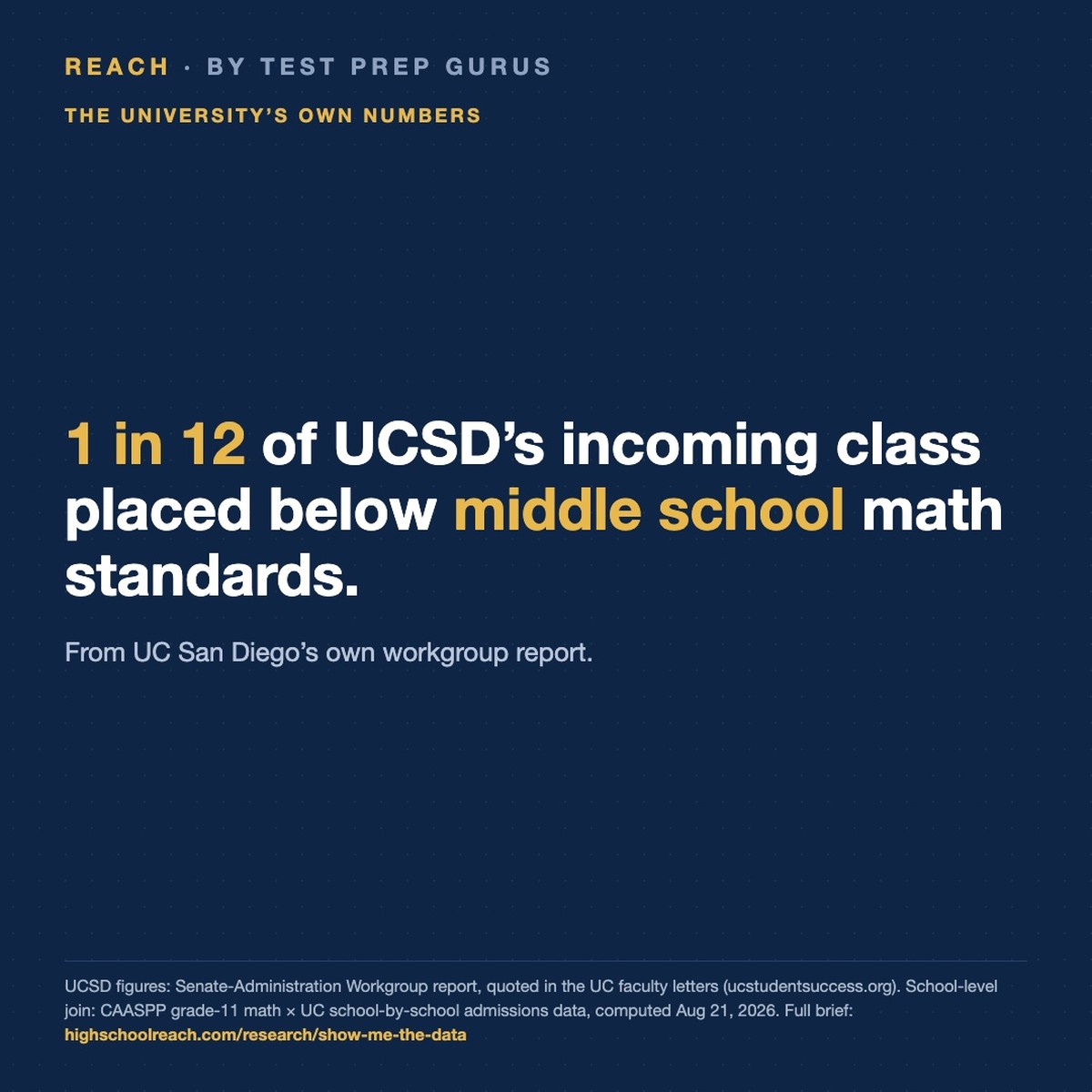
UC testing review · August 25, 2026
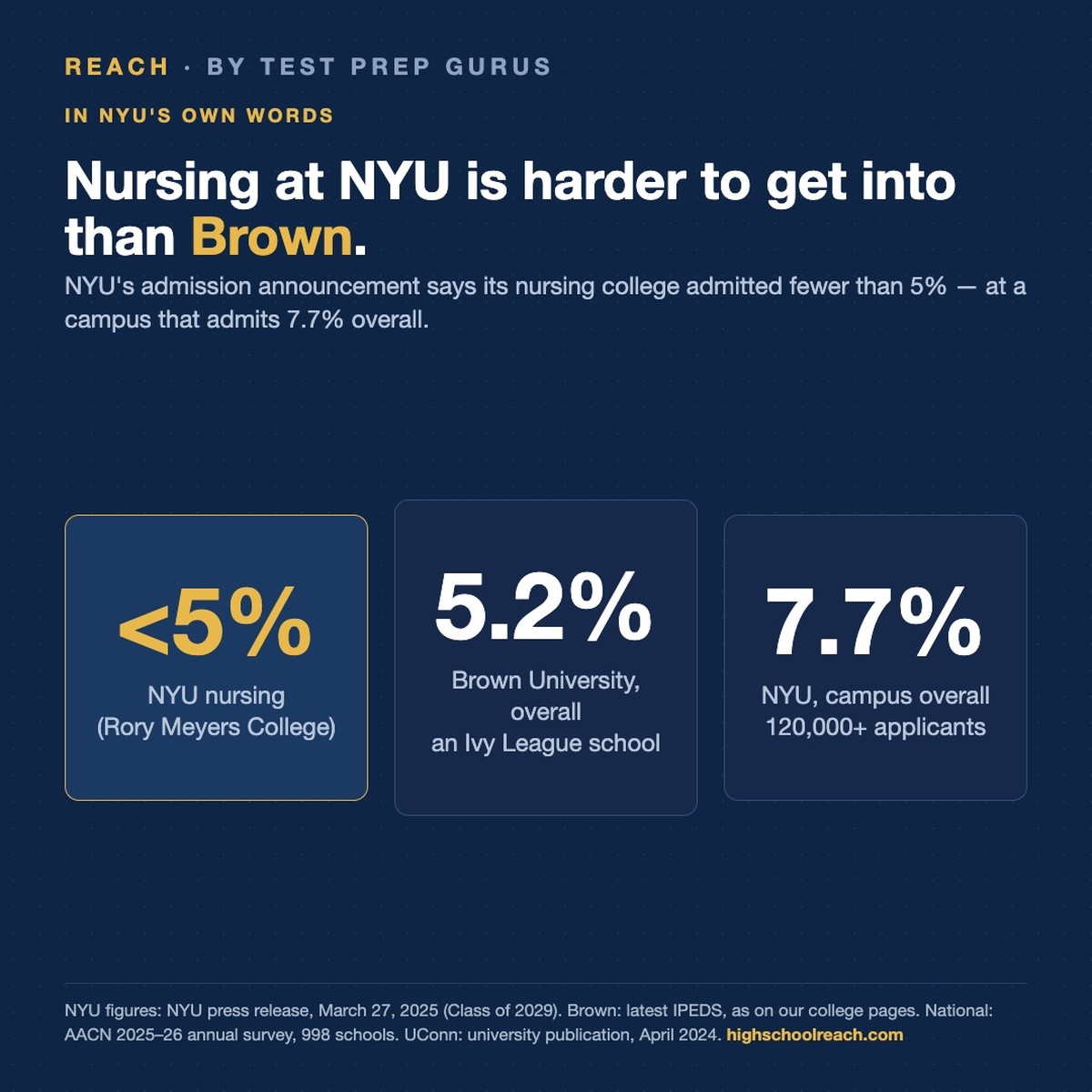
College admissions · August 21, 2026